The L.A.W. of the Empire of Morocco
The Glossary serves as a comprehensive guide, providing links to every item within this book. It is designed to assist students in completing assignments more efficiently and in a more organized manner, especially when multitasking.
Mission Statement
The purpose of this Dictionary is to connect the historical timeline of the Moroccan Empire to the present day, in conjunction with the AMPAC Study Sessions. Inside, you will find a wealth of information, including:
-
Moroccan History: A detailed account of the Moroccan Empire's past.
-
Treaties: Important treaties that have shaped the Empire.
-
Key Definitions: Essential terms defined for better understanding.
-
Maps: Detailed maps of all Moroccan territories.
-
Foreign Moroccan Countries or States: Information on foreign states within the Moroccan Empire.
-
Internal Moroccan States' Declarations of Independence: Key declarations from internal states.
-
Constitutions: Constitutions of all jurisdictions within the Empire of Morocco.
-
Laws: Internal and external laws governing Moroccan states and foreign jurisdictions within the Empire.
-
AMPAC Study Sessions: Documents and definitions discussed in AMPAC Study Sessions.
Continuous Updates
The L.A.W. of the Empire of Morocco will be continuously updated to ensure that the information remains current and accurate.
Special | A | B | C | D | E | F | G | H | I | J | K | L | M | N | O | P | Q | R | S | T | U | V | W | X | Y | Z | ALL
N |
|---|
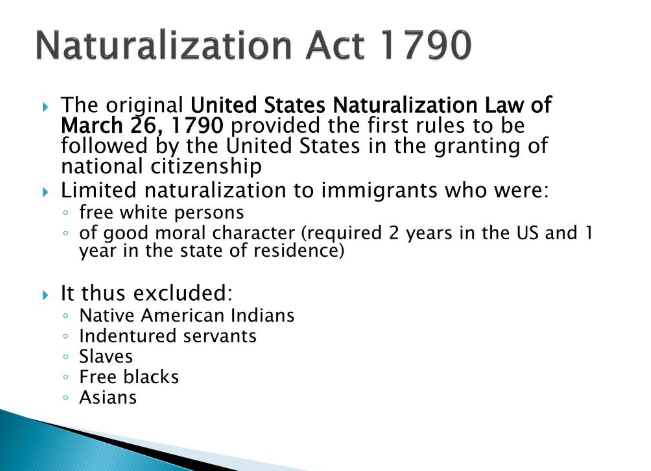
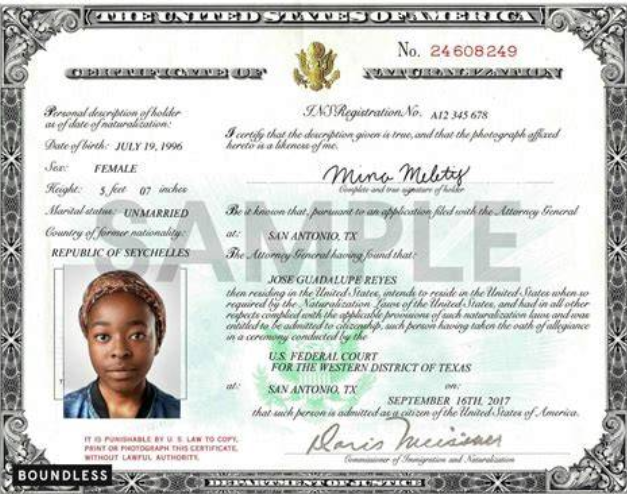
NaturalizationNATURALIZATION. The act of adopting a foreigner and clothing him with the privileges of native citizen. U. S. v. Harbanuk,
Videos: Citizenship in early America, 1789-1830s | Citizenship | Citizenship in early America, 1840s-1870s | Citizenship The Dred Scott case and citizenship | Citizenship | Why the US has birthright citizenship | |
Negro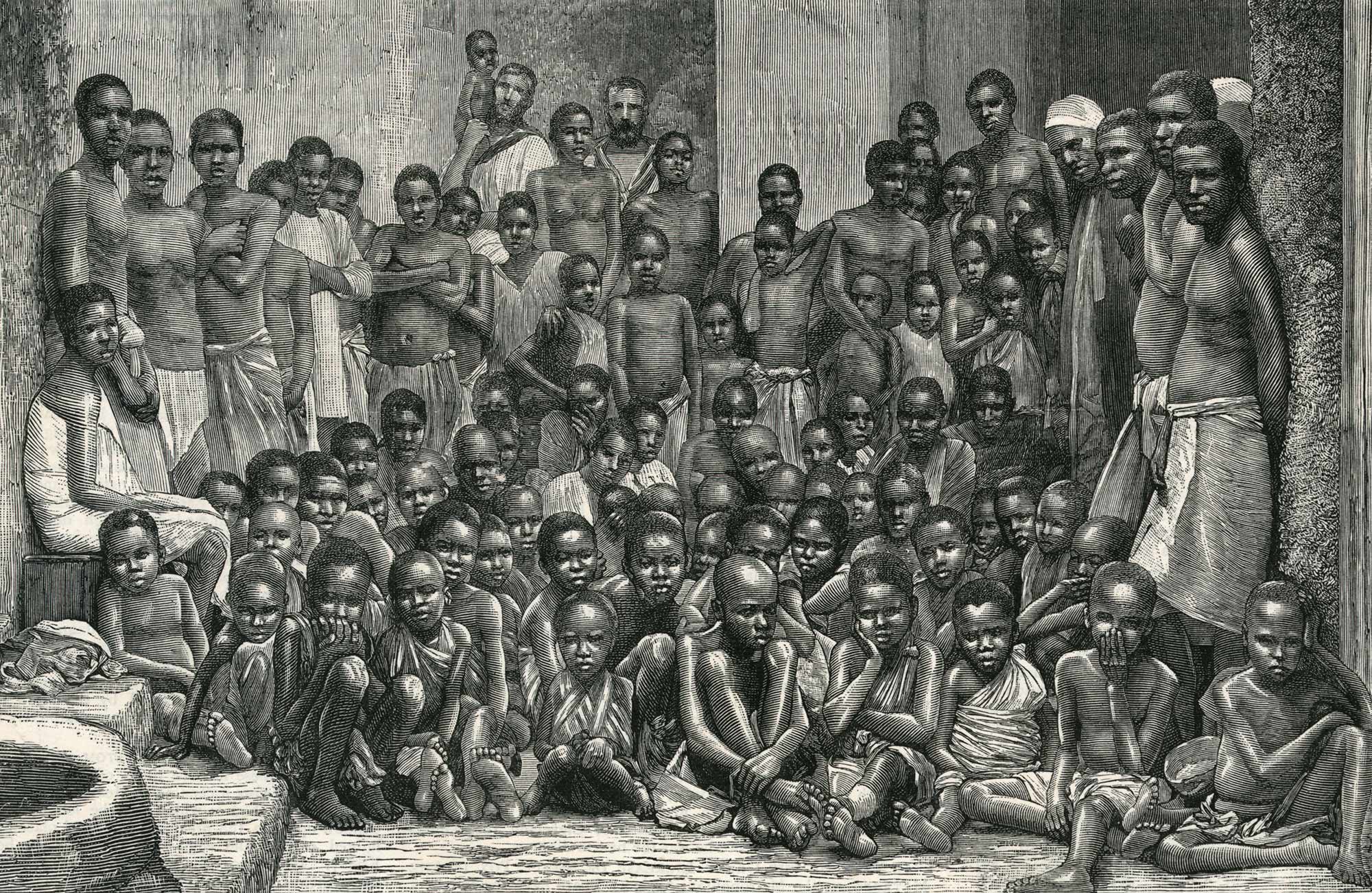 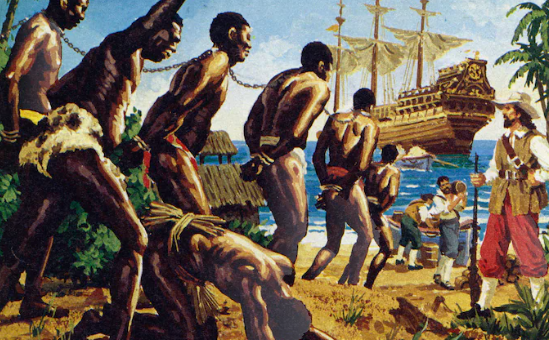  Negro [ˈniːɡrəʊ] noun
adjective
Negro (noun)
Negroes (plural noun)
1550s, "member of a black-skinned race of Africa," from Spanish or Portuguese negro "black," from Latin nigrum (nominative niger) "black, dark, sable, dusky" (applied to the night sky, a storm, the complexion), figuratively "gloomy, unlucky, bad, wicked," according to de Vaan a word of unknown etymology; according to Watkins, perhaps from PIE *nekw-t- "night." The Latin word also was applied to the black peoples of Africa, but the usual terms were Aethiops and Afer. As an adjective from 1590s. Use with a capital N- became general early 20c. (e.g. 1930 in "New York Times" stylebook) in reference to U.S. citizens of African descent, but because of its perceived association with white-imposed attitudes and roles the word was ousted late 1960s in this sense by Etymology, meaning and definition of Black (q.v.). Professor Booker T. Washington, being politely interrogated ... as to whether negroes ought to be called 'negroes' or 'members of the colored race' has replied that it has long been his own practice to write and speak of members of his race as negroes, and when using the term 'negro' as a race designation to employ the capital 'N' [Harper's Weekly, June 2, 1906] Meaning "African-American vernacular, the English language as spoken by U.S. blacks" is from 1704. French nègre is a 16c. borrowing from Spanish negro. Older English words were Etymology, meaning and definition of Moor and Etymology, meaning and definition of blackamoor. A Middle English word for "Ethiopian" (perhaps also "a negro" generally) was blewman "blue man." Videos:Tula: The Revolt Freaking Auto Forms VSL Worst State Pitch Colorado
Kunta Kinte - Sold to Slave Masters #blackhistory (Roots 1977) The Ongoing War Of Crips & Bloods | Crips & Bloods Made In America The Corner — COMPLETE MINISERIES (2000) | 6-Hour Event Tyler Perry's Why Did I Get Married | |
Noble Drew Ali
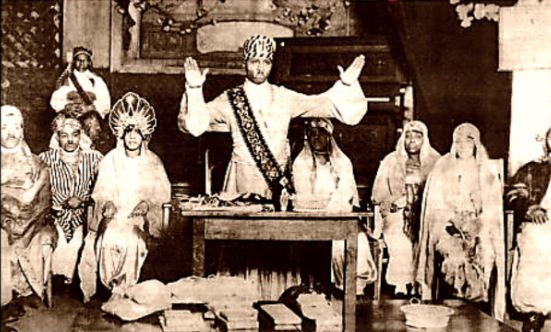
Noble Drew Ali (January 8, 1886 – July 20, 1929; possibly born Timothy or Thomas Drew) was an American civil and religious leader who, in the early 20th century, founded a series of organizations that he ultimately placed under the umbrella title, the Moorish Divine and National Movement of the World; including the Canaanite Temple (1913–1916), the Moorish Holy Temple of Science (1925–1928), and the Moorish Science Temple of America (1928 onwards).[2][3] Considered a Surah An-Nahl style prophet by his followers,[2] he founded the Canaanite Temple in 1913 while living in Newark, New Jersey. From there, he made his way westward and eventually settled in Chicago between 1922 and 1925. Upon reaching Chicago, his movement would gain thousands of converts under his instruction.[3] Upon the murder of a rival Moorish Science Temple leader, Drew Ali was arrested (but never charged) and sent to jail; he died on July 20, 1929, shortly after being released. It is traditionally held that Drew Ali founded the first officially state-registered Islamic organization in U.S. history, and was the first American-born Islamic religious leader.[4] Although the Moorish Science Temple of America has largely declined, Drew Ali's legacy is significant because of its influence on the founding and ideology of the Nation of Islam. Timeline
| ||||||||||||||||


Non-Governmental Organization (N.G.O.)
A non-governmental organization (NGO) is a voluntary group of individuals or organizations that operates independently of government control, typically focusing on social, humanitarian, or environmental issues. NGOs are usually nonprofit entities, although some may be for-profit corporations. They are formed to provide services or advocate for public policy, and they often do not receive funding from government bodies. Non-governmental organization - Wikipedia Non-Governmental Organizations (NGOs) in the United States - United States Department of State Videos: Daniel Mathibedi on acquiring knowledge on NGO, NPO funding What is an NGO (non governmental organization)? NGOs As Engines of Human Rights Protection Universal Declaration of Human Rights | |